To ensure a truly fulfilling stay in the Togakushi area, choosing a shukubo (traditional temple or shrine lodging) with a long history as a pilgrimage base for Togakushi Shrine is a reliable choice. Unlike standard hotels, daily life here is deeply intertwined with prayers to deities and Buddhas as well as traditional food culture, making it essential to clarify your travel goals when selecting an accommodation.
For travelers exploring Japan, staying in Togakushi, nestled in the mountains of Nagano Prefecture, offers a rare opportunity to experience Japanese spiritual culture firsthand. When planning a trip for 2026, many find themselves unsure of which shukubo to choose. This article provides a carefully selected overview of shukubo from a comprehensive perspective, allowing you to enjoy visits to Togakushi Shrine and savor local cuisine.
The Appeal of Togakushi Shukubo and Basic Stay Knowledge
A shukubo originally refers to lodging built to accommodate worshippers and pilgrims visiting shrines and temples. Shukubo in Togakushi possess a unique culture that has developed alongside Togakushi Shrine, and many lodgings operated by Shinto priests remain active today.
The concept of the space differs from that of standard ryokan or city hotels. Rather than pursuing lavish entertainment facilities, these lodgings have functioned as places to step away from the hustle and bustle of daily life and quietly reflect upon oneself.
In terms of meals, they tend to serve shojin ryori (traditional vegetarian/plant-based cuisine prepared without meat or fish) and traditional hand-made soba noodles rooted in the local region. Experiencing dining etiquette derived from Shinto rituals and Buddhist teachings is another distinctive feature of staying at a shukubo.
Although it is a mountainous area accessible by local bus from JR Nagano Station—a stop on the Shinkansen line—a serene atmosphere passed down over hundreds of years flows through the region. The unique ambiance, blending the severity of the natural environment with rich religious faith, provides international visitors with an opportunity to discover a profound side of Japan.
Things to Experience in the Togakushi Area
When visiting Togakushi, incorporating the surrounding rich nature and historical cultural spots into your itinerary—beyond just staying at a shukubo—will greatly enhance the satisfaction of your trip.
Togakushi Shrine
You can make a pilgrimage across the five shrines nestled at the foot of the sacred Mount Togakushi: Okusha, Chusha, Hokosha, Kuzuryusha, and Hinomikosha. In particular, the approach to Okusha features a magnificent avenue of cedar trees over 400 years old, offering a pleasant walk amidst solemn natural beauty.
Kagami-ike Pond
This scenic viewpoint reflects the rugged peaks of the Togakushi Mountain Range on the water's surface like a mirror. Walking trails are maintained around the pond, allowing visitors to enjoy strolling and photography while experiencing nature across the four seasons, such as fresh green foliage and autumn colors.
Togakushi Folk Museum, Togakure-ryu Ninpo Museum, and Ninja Trick House
This facility offers exhibits on the history of Togakure-ryu ninjutsu and approximately 500 ninja tools. At the on-site "Ninja Trick House," visitors can experience escaping from a maze-like house while finding hidden doors and mechanisms.
Togakushi Soba Museum Tonkururin
Here, you can view exhibits on the history, culture, and tools of Togakushi soba, one of Japan's three major soba noodle traditions. You can also participate in a "soba-making experience" kneading and cutting buckwheat flour under the guidance of craftsmen, and enjoy freshly made soba on the spot.
How to Choose a Shukubo Based on Your Travel Purpose
Each shukubo in Togakushi has its own unique history and character. To ensure a stay without regrets, it is appropriate to compare and evaluate them based on the following criteria.
Choose Based on Proximity to the Pilgrimage Route
The five shrines of Togakushi Shrine are scattered across the foothills. By basing yourself near the shrines you primarily wish to visit—such as Okusha, Chusha, or Hokosha—it becomes easier to travel during the quiet morning and evening hours. If you wish to walk through the cedar avenue in the clear morning air, prioritizing a location that reduces travel time is wise.
Check the Style of Meals Provided
Meals at shukubo range from those centered strictly on shojin ryori to those highlighting regional hand-made soba and local specialties. Depending on whether you want a strict experience of plant-based dining without animal products or prefer enjoying local food culture in an approachable format, the plan you should choose will vary.
Understand Booking Conditions and Operational Setup
Many shukubo are family-run or operated by a small staff. Practical rules—such as check-in hours, curfew settings, and available payment methods (cash only versus credit card acceptance)—vary significantly depending on the facility. It is necessary to carefully check the latest information on the official reservation page in advance, including the extent to which information for international travelers is provided.
Togakushi Shukubo Quick Comparison
A detailed comparison is provided below. You can check each shukubo's plan details and the latest room availability at a glance.
| Property | Price | Reviews | Source |
|---|---|---|---|
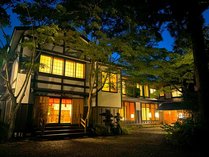 Togakushi Shrine Shukubo Kyuenmeiin Oyado Suwa (戸隠神社宿坊 旧延命院 お宿 諏訪 (長野県))
|
Check price on booking page | No reviews | Jalan.net |
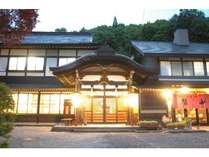 Togakushi Shrine Shukubo Irori no Sobadokoro Tsukiyama (戸隠神社宿坊 いろりのそば処 築山 (長野県))
|
Check price on booking page | No reviews | Jalan.net |
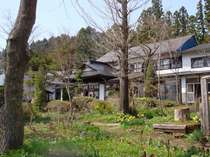 Togakushi Shrine Shukubo Watanabe (戸隠神社 宿坊渡辺 (長野県))
|
Check price on booking page | No reviews | Jalan.net |
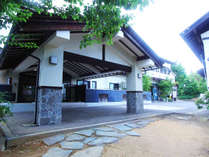 Togakushi Shrine Shukubo Yamamoto-kan (戸隠神社宿坊 山本館 (長野県))
|
Check price on booking page | No reviews | Jalan.net |
*The listed content reflects data from affiliate partners at the time of article creation. Prices and availability fluctuate, so please check the link for the latest information.
4 Recommended Shukubo in Togakushi
Below, we introduce four recommended shukubo in Togakushi from a comprehensive perspective. Considering the characteristics of each, identify the one that fits your travel style. Please note that accommodation rates may fluctuate depending on the season and plan, so please confirm on the official page at the time of booking.
Experience Togakushi's Tradition and Prestige: Oyado Suwa
For those who wish to stay while deeply feeling the history associated with Togakushi Shrine, Oyado Suwa, carrying the history of the former Enmeiin, is a strong candidate.
With a background as a center of prayer continuing from the era of Shinto-Buddhist syncretism, you can spend a peaceful time embraced by the nature of Togakushi. It attracts high interest from travelers whose main purpose is shrine visits and is suited for those who want to thoroughly experience Togakushi's spiritual culture.
If you are seeking a lodging experience to refresh your mind and body within the solemn atmosphere unique to a shukubo, this is a property to consider first.
Check Togakushi Shrine Shukubo Kyuenmeiin Oyado Suwa on Jalan.net
Note: This booking page is in Japanese only.
An Option to Savor Regional Food Culture: Irori no Sobadokoro Tsukiyama
For travelers interested in Togakushi's local flavors and traditional hand-made soba, Irori no Sobadokoro Tsukiyama is well suited.
As the name suggests, this shukubo cherishes the appeal of food, allowing guests to fully experience the culinary culture nurtured by Togakushi's rich water and natural environment. You can rest your body, tired from walking and shrine visits, in a warm and welcoming space.
For those who want to place meal times—centered on the famous soba—at the heart of their journey, this offers a highly satisfying place to stay.
Check Togakushi Shrine Shukubo Irori no Sobadokoro Tsukiyama on Jalan.net
Note: This booking page is in Japanese only.
A Base for Flexible Itinerary Planning: Shukubo Watanabe
For those who want to actively enjoy visiting the five shrines of Togakushi Shrine and exploring nearby sightseeing spots, Shukubo Watanabe is a convenient option.
Taking into account access to surrounding walking paths and bus stops, you can build a manageable sightseeing schedule. It serves as a reliable base for travelers who want to rest well in a quiet environment and energetically explore Togakushi's nature starting in the morning.
It is suitable for active travelers who prioritize walking the five-shrine pilgrimage and taking photographs.
Check Togakushi Shrine Shukubo Watanabe on Jalan.net
Note: This booking page is in Japanese only.
Spend a Tranquil Night in a Historic Setting: Yamamoto-kan
For those who want to spend their stay feeling Togakushi's historic townscape and deep religious faith firsthand, Yamamoto-kan emerges as a strong candidate.
As a shukubo with a tradition of welcoming pilgrims since ancient times, you can savor the quiet mountain village night to your heart's content. In a calm setting free from excessive ornamentation, it is ideal for those who want to forget their daily busyness and spend gentle, serene moments.
For travelers wishing to directly experience traditional Japanese shukubo culture, an atmospheric and enriching stay can be expected.
Check Togakushi Shrine Shukubo Yamamoto-kan on Jalan.net
Note: This booking page is in Japanese only.
Benefits of Staying at a Togakushi Shukubo
Staying at a shukubo offers distinct advantages that cannot be experienced at standard lodging facilities.
Direct Contact with Japanese Religious Culture and Spirituality
A shukubo is not merely a place to sleep, but a living cultural space where the history of Shinto and Buddhism breathes. Through the indoor altars, furnishings, and daily rituals, you can intimately feel the nature worship and spiritual reverence that Japanese people have cherished since ancient times.
Visiting Shrines in the Crisp Early Morning Air
Locations like the approach to Togakushi Shrine's Okusha become crowded with many tourists during the daytime. However, by staying overnight at a shukubo, it is possible to set out for a shrine visit in the quiet early morning before tour buses arrive. Walking through the morning mist-covered cedar avenue in tranquil silence is an exclusive privilege for overnight guests.
Savoring Wholesome, Traditional Cuisine Gentle on the Body
You can enjoy simple yet profound dishes made with regional ingredients, such as shojin ryori and hand-made soba. Setting itself apart from modern meat-heavy diets, a healthy menu that draws out the natural flavors of the ingredients soothes the fatigue of long travels without burdening the stomach.
Drawbacks and Precautions When Staying
Shukubo differ fundamentally in character from modern resort hotels. Without adequate prior awareness, you may experience inconvenience or confusion upon arrival. Here, we explain specific points of caution and countermeasures in detail.
Sound Insulation and Room Temperature Considerations in Wooden Buildings
Many shukubo preserve the architectural structure of historic Japanese buildings. As a result, walls dividing rooms may be thin, or spaces may be partitioned only by sliding doors (fusuma or shoji). Conversations and footsteps from neighboring rooms carry easily, so considerate behavior is required during late-night and early-morning hours. When watching videos at high volume, use earphones, and take care to walk quietly along corridors as proper etiquette.
Located in a mountainous area, Togakushi experiences significantly lower temperatures compared to lowland areas. With an elevation around 1,200 meters, temperatures drop sharply at night even during autumn and spring. Sub-zero temperatures in winter are not uncommon. Because you may feel chilliness rising from the floor inside the building, bringing thick socks and easily removable warm layers is essential.
Shared Style for Facilities and Wet Areas
Guest rooms generally do not have private toilets, washbasins, or bathing facilities; utilizing shared spaces within the building is the norm. It is necessary to share these facilities considerately with other guests.
At many lodgings, bathing hours are designated for specific evening time slots (e.g., 17:00 to 21:00), meaning you may not be able to bathe freely late at night or early in the morning. Arriving late risks missing bathing hours, so it is important to plan your itinerary to check in during the early evening.
Strict Observance of Curfews and Meal Times
Unlike standard hotels, shukubo do not have staff stationed at the front desk 24 hours a day. In many cases, nighttime lock-up times (curfews) are established, restricting going out or entering after 20:00 or 21:00.
Dinner and breakfast serving times are also strictly set, so if you are likely to be late for your scheduled check-in time, you must contact the lodging in advance by phone or email. Because there are almost no restaurants or convenience stores operating late at night in the surrounding area, it is wise to purchase necessary daily goods and drinks beforehand in urban centers like the Nagano Station area.
Language Support and Cashless Payment Limitations
Because many shukubo are family-run, some facilities are not equipped to offer fluent service in foreign languages. It provides peace of mind to prepare for communication using gestures and translation apps.
Some lodgings still restrict payment to cash only. In mountainous areas, you may encounter situations where international credit cards or electronic money cannot be used, so it is necessary to prepare sufficient Japanese yen in cash before heading there.
Recommended for These Travelers
The ideal shukubo varies depending on your travel purpose and priorities.
Those Who Value Experiencing History and Spiritual Culture
For those who want to feel the history of Shinto-Buddhist syncretism firsthand and spend a peaceful time in a serene space, the prestigious and historic Oyado Suwa is well suited.
Check Togakushi Shrine Shukubo Kyuenmeiin Oyado Suwa on Jalan.net
Note: This booking page is in Japanese only.
Those Who Want to Savor Togakushi's Local Cuisine and Soba
For those who prioritize regional food as the main enjoyment of travel and wish to savor famous hand-made soba in a calm setting, Irori no Sobadokoro Tsukiyama is the right match.
Check Togakushi Shrine Shukubo Irori no Sobadokoro Tsukiyama on Jalan.net
Note: This booking page is in Japanese only.
Those Who Want to Energetically Enjoy Area Walks and Photography
For those looking to efficiently navigate the five-shrine walking route and travel to scenic viewpoints, Shukubo Watanabe, highly convenient as an exploration base, fits the bill.
Check Togakushi Shrine Shukubo Watanabe on Jalan.net
Note: This booking page is in Japanese only.
Those Who Want to Immerse Themselves in Old-World Japanese Shukubo Atmosphere
For those who wish to experience the quiet mountain village night and traditional building aesthetics, Yamamoto-kan, offering a calm environment, is a perfect choice.
Check Togakushi Shrine Shukubo Yamamoto-kan on Jalan.net
Note: This booking page is in Japanese only.
Frequently Asked Questions
Here are answers to common questions to check before booking and staying at a Togakushi shukubo.
Q1. Are there special rules or etiquette for staying at a shukubo?
Basically, as with standard Japanese ryokan, there are no issues as long as you observe manners such as removing shoes at the entrance, taking off slippers when stepping onto tatami mats, and staying quiet at night. At lodgings with Shinto altars or Buddhist halls, prayer etiquette (such as two bows, two claps, and one bow) may be explained; if you are unsure, asking the hosts will result in kind guidance. Spending your stay with a mindset of respecting faith is most important.
Q2. Can I request vegetarian or allergy-friendly meals?
Shojin ryori fundamentally does not use meat or fish, but there are cases where soup stocks contain seafood components such as bonito flakes, or where accommodations for buckwheat (soba) allergies are necessary. Strict vegetarians or those with food allergies must confirm whether accommodation is possible at the time of booking. Because small-scale facilities may find it difficult to provide customized special menus, advance communication is essential.
Q3. How should I handle access from Nagano Station and luggage transport?
From the bus stop on the Zenkoji Exit side of Nagano Station, local buses heading toward Togakushi operate (travel time is approximately one hour). However, because the route traverses mountain roads, schedules may be disrupted by winter snow accumulation or holiday traffic congestion. Additionally, because stairs and corridors in shukubo often retain narrow traditional designs, packing your belongings into a backpack or small rolling suitcase rather than a huge suitcase makes movement much smoother.
Q4. Can I use bathing facilities if I have tattoos?
When using shared bathing facilities, you may be asked to cover tattoos. At small-scale shukubo, some facilities arrange separate bath times from other guests or operate on a private rotational system for families or groups. If you have tattoos, it is safest to consult regarding usage methods before booking or at check-in.
Conclusion
A stay at a shukubo, which has woven a long history alongside Togakushi Shrine, transcends mere accommodation to become a journey that touches the essence of Japan's profound spiritual culture and gastronomy.
Shukubo in the Togakushi area each have a limited number of guest rooms, and rooms fill up very early during the autumn new soba and foliage season or consecutive holidays. Once your desired travel dates are determined, check the latest availability and detailed plan information on each property's reservation page to prepare for your journey.
Check Togakushi Shrine Shukubo Kyuenmeiin Oyado Suwa on Jalan.net
Note: This booking page is in Japanese only.
Check Togakushi Shrine Shukubo Irori no Sobadokoro Tsukiyama on Jalan.net
Note: This booking page is in Japanese only.
Check Togakushi Shrine Shukubo Watanabe on Jalan.net
Note: This booking page is in Japanese only.
Check Togakushi Shrine Shukubo Yamamoto-kan on Jalan.net
Note: This booking page is in Japanese only.